Engineering
AI agent observability: The developer's guide to agent tracing
A developer's guide to AI agent observability and tracing with OpenTelemetry gen_ai spans—dashboards, traces, and cost metrics to debug agents in Sentry.

A developer's guide to AI agent observability and tracing with OpenTelemetry gen_ai spans—dashboards, traces, and cost metrics to debug agents in Sentry.

How Sentry's AI debugging tool Seer helped identify and fix a cascading region blocklist bug that caused an outage in Seer's own EU deployment.

Do you need an MCP to build your native app? Surprisingly, modern agents succeed either way. The real difference is how much time, cost, and context you waste along the way.

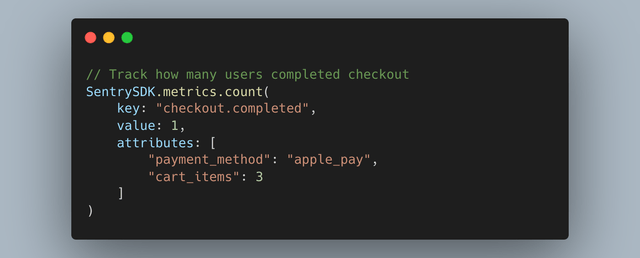
Replace Any with type-safe protocols, handle array conformance limitations, and future-proof your Swift enums.

Explore protocol extensions, enums with associated values, and ExpressibleByStringLiteral to build type-safe Swift APIs.
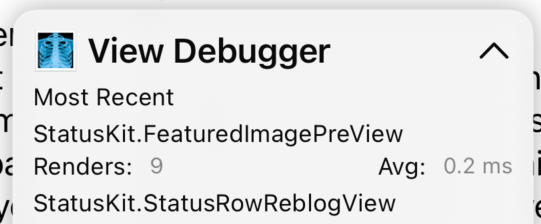
How to hook pure Swift functions at runtime using an in-process debugger.

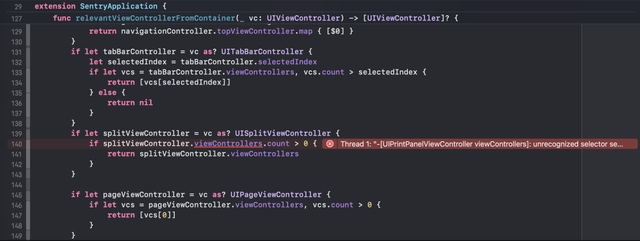
We reverse-engineered a private iOS framework to uncover why iPadOS 26 broke type casting in our SDK.

The Sentry Python SDK has built-in support for more than 60 popular packages. This is how we make sure we actually support what we claim to be supporting.


How we silently switched error issue alerts to a new system.

How Sentry's JS SDKs figure out your dynamic route names to make querying your issues easier.


How Cursor's background agent added C# support to Sentry with minimal prompting.

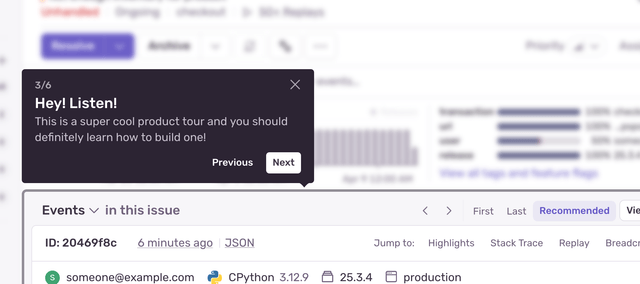
How we went about building a performant, in-app product tour API using only React

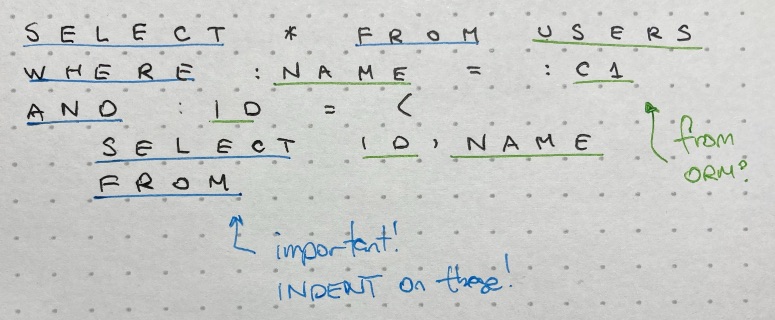
Writing a rudimentary SQL parser and formatter in JavaScript that handles Sentry's need to format invalid SQL and output into JSX.

We repurposed a hashtable to make ClickHouse significantly faster for analytical queries